Orthodontic Wax Heater Explained: A UK Buyer's Guide
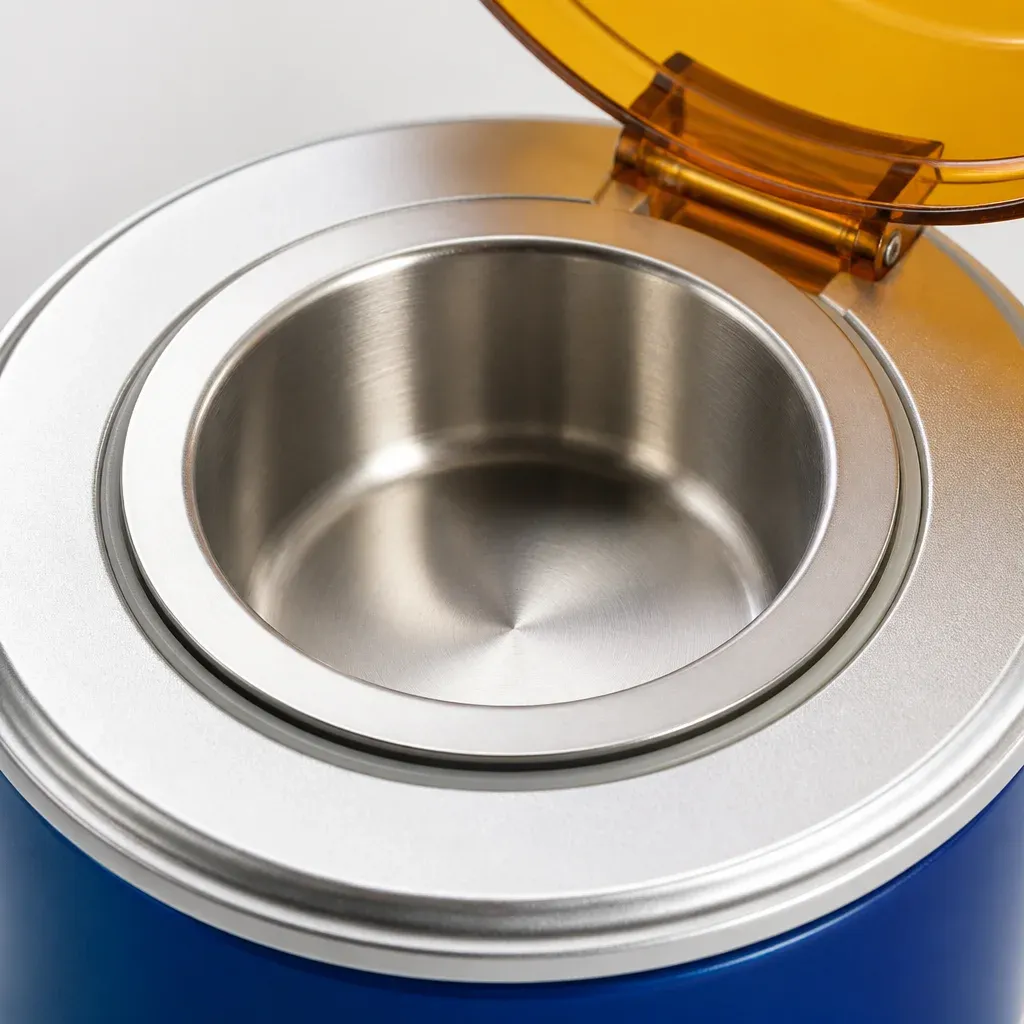
Precision in orthodontic appliance fabrication leaves no margin for error. The manipulation of dental wax directly dictates the accuracy of bite registrations, baseplates, and diagnostic wax-ups. When a technician relies on outdated open-flame methods or substandard equipment, the wax risks thermal degradation, leading to dimensional inaccuracies that ultimately compromise patient care. Investing in a dedicated orthodontic wax heater is a non-negotiable step for any modern UK dental laboratory striving for consistency, safety, and compliance.
This guide explores the technical requirements, operational benefits, and regulatory standards surrounding wax melting pots, equipping laboratory managers and technicians with the knowledge to select the optimal equipment for their specific workflows.
Key Takeaways
- An orthodontic wax heater provides precise temperature control, preventing the molecular breakdown and charring associated with open flames.
- UK laboratories require 220V/240V compatible units with appropriate UKCA or CE safety certifications to meet NHS and MHRA standards.
- Consistent melt viscosity is critical for accurate appliance fabrication and reducing residual stress in wax patterns.
- Multi-well designs allow technicians to maintain different wax blends (e.g., sticky wax, utility wax, bite registration wax) at their distinct optimal temperatures simultaneously.
The Role of the Orthodontic Wax Heater in Appliance Fabrication
Dental waxes are complex mixtures of natural and synthetic compounds, including paraffin, beeswax, carnauba, and various resins. Each component contributes specific properties such as flow, pliability, and thermal expansion. When subjected to uneven or excessive heat, the lower-melting-point constituents vaporise, permanently altering the material's physical properties.
An orthodontic wax heater is engineered to eliminate this variable. By utilising insulated heating elements and calibrated thermostats, these devices bring the wax to its exact melting point and hold it there. This ensures that the material remains in an ideal state for carving, dipping, or pouring without ever reaching the flash point where charring occurs. For a broader overview of how these devices function across different lab disciplines, you can explore our guide explaining dental laboratory wax melters.
In orthodontic applications, where technicians frequently work with utility wax to contour impression trays or bite wax for occlusal records, the ability to draw from a reservoir of perfectly tempered material accelerates the workflow while maintaining exact dimensional stability.
Why Consistent Melt Viscosity Matters
The primary objective of any wax-up procedure is to create a pattern that accurately represents the final appliance. The fundamental challenge lies in managing residual stress. When wax is melted, applied, and subsequently cools, it contracts. If the wax is heated unevenly or applied at fluctuating temperatures, the internal stresses become unpredictable. Upon cooling, or during investment, these stresses release, causing the pattern to warp.
Our professional dental wax melting pots and laboratory heaters are designed to prevent wax charring and ensure consistent melt viscosity. When the viscosity remains uniform, the wax flows predictably over master casts and wire frameworks. The technician can manipulate the material with confidence, knowing the flow characteristics will remain identical from the first application to the final margin refinement.
According to *Phillips' Science of Dental Materials*, maintaining dental wax within a strict temperature tolerance (often within a 2°C to 5°C window of its ideal working temperature) is essential to prevent the volatilisation of essential base resins. A precision orthodontic wax heater maintains this narrow window, safeguarding the integrity of the material.
Navigating UK Safety and Regulatory Standards
Dental laboratories in the United Kingdom operate under strict regulatory frameworks to ensure both occupational safety and the quality of medical devices provided to the NHS and private sectors. The transition from open-flame Bunsen burners to electric wax heaters is largely driven by these compliance requirements.
COSHH and Fire Safety
The Control of Substances Hazardous to Health (COSHH) regulations require employers to mitigate workplace risks. Open flames present a severe fire hazard, especially in environments containing flammable acrylic monomers, solvents, and paper products. An enclosed electric orthodontic wax heater eliminates the naked flame, significantly reducing the fire risk and satisfying health and safety audits.
UKCA and CE Marking
Following Brexit, the UK Conformity Assessed (UKCA) mark has become the standard indicator that a product meets the designated safety, health, and environmental protection requirements for the market in Great Britain. When purchasing a wax melting pot, verifying the presence of UKCA or CE (for Northern Ireland and legacy compliance) marking is vital. This ensures the internal wiring, insulation, and heating elements have been tested against rigorous safety standards, preventing electrical shocks or thermal runaway.
MHRA Traceability
The Medicines and Healthcare products Regulatory Agency (MHRA) requires strict quality control in the manufacture of custom-made dental appliances. Using substandard equipment that degrades materials can lead to appliance failure in the patient's mouth. By utilising a precision heater, laboratories standardise their manufacturing process, ensuring the final prosthetic meets the exact specifications set out by the prescribing clinician.
Best Practices for Maintaining Your Wax Melting Pot
Even the highest quality professional dental wax melting pots require routine maintenance to ensure longevity and prevent material cross-contamination. Neglecting the equipment can lead to a build-up of charred residue on the internal sensors, causing the unit to read temperatures inaccurately.
Establish a strict cleaning protocol. At the end of the working week, while the unit is still warm (but disconnected from the mains), wipe down the wells with a lint-free cloth to remove residual material. Do not use abrasive scourers, as scratching the non-stick coating or the anodised aluminium surface will cause future batches of wax to adhere stubbornly to the walls.
If different grades of wax must be used in a single-well unit, ensure the reservoir is entirely purged before introducing the new material. Mixing waxes alters the melting point and physical properties of the batch, leading to unpredictable results during the wax-up phase. For specific advice tailored to larger prosthetic workflows, you can read our buyer's guide on denture wax pots.
Frequently Asked Questions
What is the ideal temperature setting for an orthodontic wax heater?
The ideal temperature depends entirely on the specific wax being used. Baseplate waxes typically require temperatures between 70°C and 80°C to achieve a fluid state suitable for dipping or pouring. Sticky waxes may require slightly higher temperatures. Always consult the manufacturer's safety data sheet (SDS) for the exact melting range of your chosen material to prevent overheating.
Can I leave the wax heater switched on overnight?
No. While high-quality laboratory heaters feature thermal cut-off switches to prevent catastrophic overheating, leaving the unit on overnight poses an unnecessary fire risk and degrades the wax. Prolonged exposure to heat causes the volatile components in the wax to evaporate, leaving behind a brittle, unusable residue. Always switch off and unplug the unit at the end of the working day.
What is the difference between an orthodontic wax heater and a standard denture wax pot?
Functionally, they operate on the same principles of thermal regulation. The distinction usually lies in the size and configuration. Denture wax pots are often larger, single-well units designed for bulk melting and dipping full arches. Orthodontic heaters frequently feature multi-well designs, allowing technicians to handle smaller quantities of specialised waxes (like utility or block-out wax) simultaneously.
How do I remove hardened wax from the outside of the unit?
Do not use sharp metal instruments like Le Cron carvers to chip away hardened wax, as this will damage the unit's casing. Instead, gently warm the exterior with a controlled heat gun or a cloth soaked in hot water until the wax softens, then wipe it away with a dedicated wax solvent approved for laboratory use. Ensure the unit is unplugged during cleaning.
Elevate Your Laboratory Standards with DentalWaxP
Achieve flawless prosthetics with our precision 220V dental laboratory wax melter. Designed to prevent wax charring and ensure consistent melt viscosity, our equipment is built to withstand the rigorous demands of the modern UK dental laboratory. Upgrading your heating equipment removes the guesswork from material manipulation, allowing your technicians to focus on what they do best: creating accurate, high-quality appliances.
Browse our full range of professional dental wax melting pots and laboratory heaters today to find the perfect configuration for your workspace. If you require further technical insights before making a decision, revisit our comprehensive guide to dental lab wax heaters to compare specifications and ensure total compliance with your operational needs.
Ready to upgrade your benchtop with {brand_name}?
Equip Your Lab — £91.85