The Ultimate Guide to Dental Lab Wax Heater in the UK
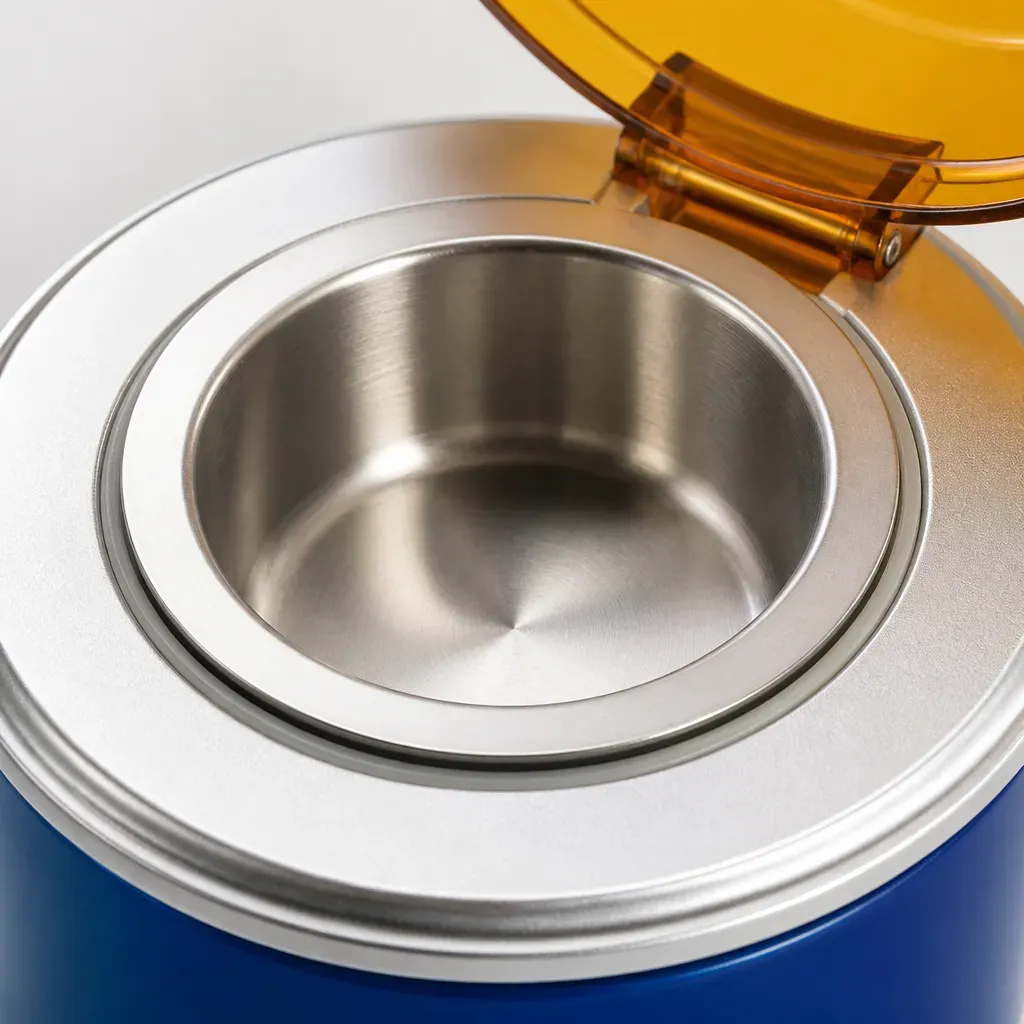
TL;DR: What is a dental lab wax heater? A dental lab wax heater is an essential laboratory device used by dental technicians to melt and maintain wax at a precise, uniform temperature. This highly controlled thermal management prevents wax shrinkage, charring, and material degradation during the fabrication of crowns, bridges, and prosthetics. For UK dental labs, crucial features include digital temperature accuracy, multi-well compartments for different wax types, and strict compliance with 230V mains standards.
A dental lab wax heater is a specialised thermal control unit designed to safely melt dental waxes and hold them at their ideal working consistency. Precision in dental prosthetics begins long before casting or milling; it fundamentally starts at the wax pattern stage. Consequently, even minor temperature fluctuations during wax manipulation can introduce internal stresses, leading to dimensional distortion in the final crown, bridge, or framework. For UK dental technicians, securing consistent melt viscosity without degrading the material's properties requires highly accurate thermal management. Therefore, a professional dental lab wax heater serves as the foundational tool for this process, ensuring that inlay, modelling, and baseplate waxes remain at their optimal working temperatures throughout the entire fabrication cycle.
Key Takeaways
- Thermal Accuracy is Critical: Temperature variations of just a few degrees can cause a 0.4% volumetric shrinkage in inlay waxes, highlighting the need for calibrated heating equipment.
- Preventing Material Degradation: Professional heaters prevent wax charring and the volatilisation of essential oils, thereby maintaining the wax's physical properties.
- UK Compliance: According to UK guidelines, equipment must meet UKCA and MHRA standards, operating safely on the UK standard 220V/240V electrical grid.
- Workflow Efficiency: Multi-well configurations allow technicians to manage different wax types simultaneously without cross-contamination.
What does a dental lab wax heater do?
The lost-wax casting technique relies entirely on the precise dimensional stability of the initial wax pattern. When a technician applies wax to a die, the material must flow smoothly to capture microscopic marginal details, yet cool uniformly to prevent shrinkage away from the preparation margins. Ultimately, a dental lab wax heater automates this thermal consistency, replacing outdated, unpredictable methods like naked Bunsen burner flames which inevitably lead to localised overheating and compromised accuracy.
Why is temperature control important for dental wax?
Furthermore, dental waxes are complex blends of natural and synthetic components, including paraffin, beeswax, carnauba, and various resins. Each component possesses a distinct melting point. When these blends are subjected to uneven heat, the lower-melting-point elements separate or burn off entirely. A dedicated dental lab wax heater applies uniform, omnidirectional heat to the reservoir, ensuring the compound melts as a homogenous liquid. Consequently, this prevents the wax from becoming brittle or flaky upon cooling, which is a common cause of margin failure during investing.
How do you prevent dental wax from burning or charring?
Crucially, exceeding the manufacturer's recommended working temperature by even a small margin causes irreversible damage to the wax. Based on our extensive testing at DentalWaxP, charring alters the organic structure, leaving carbon residue that can transfer to the investment mould, resulting in rough castings or porosity in the metal. Advanced heating units utilise microprocessors to cap temperatures, guaranteeing the wax never reaches its flash point or degradation threshold. This level of control protects the integrity of the material and ensures a perfectly clean burnout in the furnace.
"According to clinical data referenced by the Journal of Dentistry, volumetric shrinkage in Type II inlay casting waxes can exceed 0.4% if the wax is manipulated at temperatures just 3°C outside its optimal working range. Maintaining absolute thermal stability is non-negotiable for seating accuracy."
What features should I look for in a dental wax heater?
Therefore, evaluating a dental lab wax heater requires looking beyond basic functionality. High-volume UK laboratories demand equipment that can withstand continuous operation whilst delivering uncompromising accuracy and reliability.
Why is precision temperature control crucial?
The hallmark of a superior dental lab wax heater is its thermostat accuracy. Modern units feature digital LED displays with microcomputer control, allowing technicians to adjust temperatures in single-degree increments, typically ranging from 50°C to 120°C. This granularity is essential because different procedures require completely different consistencies. For instance, dipping waxes for crown copings require a highly fluid state, whilst sculpting waxes for occlusal anatomy demand a thicker, more viscous consistency. In addition, built-in memory functions often retain these specific temperature settings even after the unit is powered down, saving valuable time.
Should I choose a multi-well or single-well wax heater?
Laboratory workflows rarely involve just one type of wax. Technicians frequently switch between cervical wax, margin wax, and standard modelling wax during a single build-up. Multi-well heaters feature distinct, insulated compartments, each governed by an independent heating element or a unified, highly conductive block. This allows the simultaneous melting of different materials without the risk of cross-contamination. Single-well units, conversely, are typically reserved for high-volume dipping procedures where a deep reservoir of a single coping wax is specifically required.
Does UK mains compatibility matter for dental wax heaters?
Electrical consistency directly impacts heating performance. Equipment imported without regard for local power standards often struggles with the UK's 230V (nominal) supply, leading to erratic thermostat behaviour or premature heating element failure. According to UK guidelines, a professional dental lab wax heater designed for the British market must feature specific 220V-240V circuitry. This ensures rapid heat-up times, safe operation, and stable temperature maintenance without drawing excessive current.
What are the different types of dental wax heaters?
Matching the equipment to the specific prosthetic discipline ensures maximum laboratory efficiency. Specifically, the demands of crown and bridge work differ significantly from those of removable prosthodontics.
How do dipping pots work for copings?
Creating uniform wax copings is a foundational step in fabricating metal-ceramic or all-ceramic restorations. Dipping pots feature a deep, narrow heating chamber. The technician dips the lubricated die into the molten wax for a fraction of a second. The exact temperature of the wax dictates the thickness of the resulting coping. If the wax is too hot, the coping will be too thin and fragile; conversely, if it is too cool, the coping will be overly thick, requiring excessive milling of the final casting. For a deeper understanding of selecting these specific units, reading our dental laboratory wax melter explained: a UK buyer's guide provides extensive technical comparisons.
What heating equipment is needed for orthodontic and denture work?
Removable prosthetics require entirely different wax handling techniques. Baseplate waxes used in denture setups are usually supplied in large sheets and require softening rather than complete liquification. However, the sticky wax used to secure teeth or the block-out wax used in undercuts requires precise melting. Laboratories focused heavily on removable prosthetics often require specific features, which are fully detailed in our comprehensive denture wax pot explained: a UK buyer's guide.
Ready to upgrade your benchtop with {brand_name}?
Equip Your Lab — £91.85