Denture Wax Pot Explained: A UK Buyer's Guide
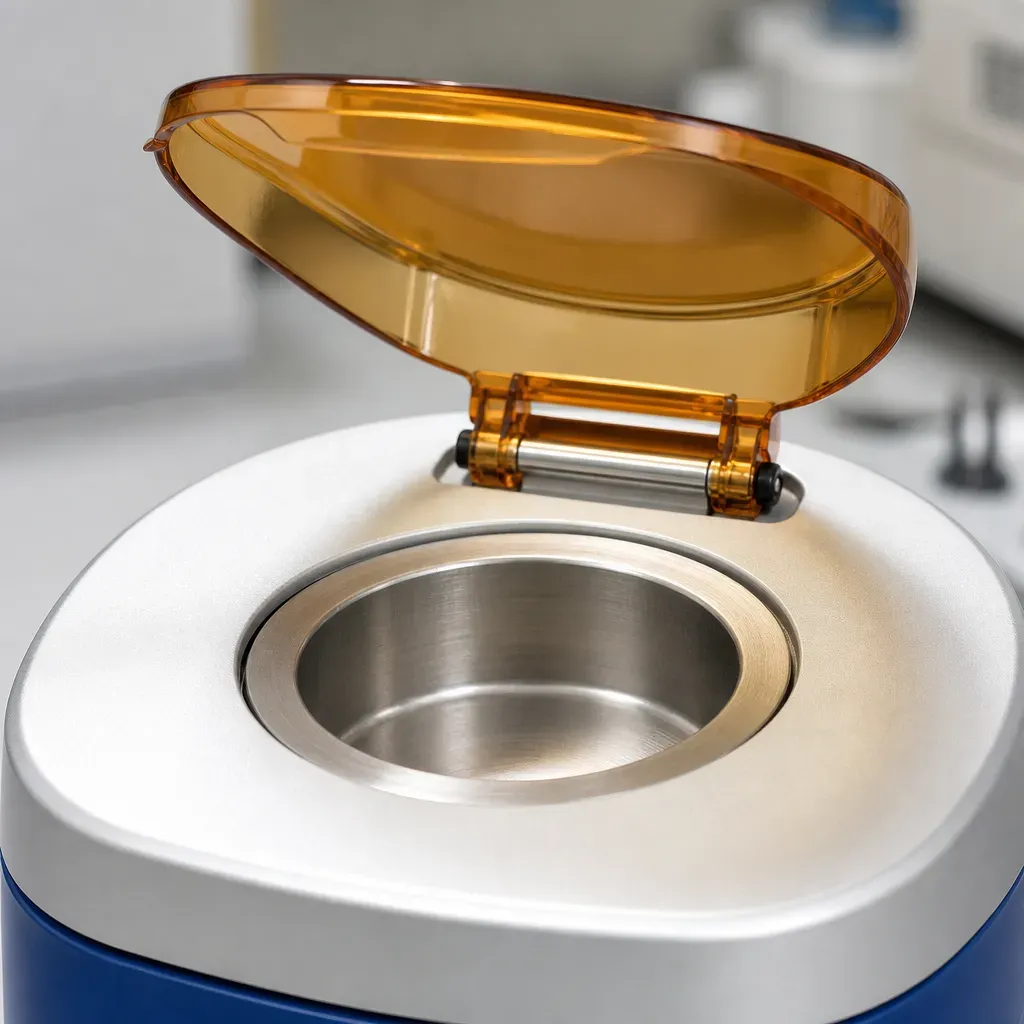
Key Takeaways for UK Dental Laboratories
- Thermal Accuracy Prevents Distortion: A calibrated denture wax pot maintains baseplate and modelling waxes at precise liquid or semi-solid states, preventing the thermal shrinkage and occlusal discrepancies that cause prosthetic remakes.
- Elimination of Wax Charring: Using a thermostatically controlled 220V–240V pot ensures waxes never exceed their flash point, preserving monomer integrity and preventing carbonised residues in denture base setups.
- Regulatory & Safety Compliance: Replacing open Bunsen flames with UKCA-marked electric wax pots supports HSE (Health and Safety Executive) laboratory fire safety standards and aligns with MHRA custom-made medical device quality assurance.
- Workflow Efficiency: Multi-well and deep-basin wax pots allow prosthetic technicians to keep baseplate, bite-rim, and sticky waxes simultaneously at optimal working viscosities throughout the working day.
A denture wax pot is an electrically heated, insulated laboratory vessel engineered to melt and maintain dental waxes at an exact, consistent temperature. Crafting removable dental prosthetics that fit accurately first time requires absolute control over every material variable in the laboratory. Furthermore, in UK dental technology, where Clinical Dental Technicians (CDTs) and commercial prosthetics laboratories face tight NHS contract turnarounds and demanding private patient expectations, dimensional accuracy cannot be left to chance. Based on our testing at DentalWaxP, one of the most frequent yet overlooked sources of prosthetic error is thermal distortion during the wax-up and bite-registration phases. Consequently, when baseplate wax is heated unevenly over an open flame or in an uncalibrated vessel, it undergoes rapid thermal expansion followed by unpredictable contraction as it cools on the master cast.
Therefore, a precision denture wax pot replaces trial-and-error heating with reliable thermostatic control. By holding modelling waxes at an exact, consistent temperature, technicians can achieve flawless prosthetics without the risk of wax charring, monomer evaporation, or internal stress build-up. This buyer’s guide explores the mechanics, clinical benefits, and regulatory standards surrounding denture wax pots for UK dental laboratories, helping you select equipment that elevates your prosthetic output.
What is a denture wax pot used for in dental labs?
A denture wax pot is primarily used to safely melt, hold, and condition dental waxes utilized in the fabrication of removable dentures. Unlike general-purpose heating plates or traditional Bunsen burners, a dedicated denture wax pot features calibrated internal heating elements that distribute thermal energy uniformly across the reservoir. As a result, this ensures the wax remains at a homogenous viscosity from the surface down to the base.
The composition of dental baseplate and modelling waxes—typically formulated from paraffin blends, beeswax, carnauba, and synthetic resins—makes them highly sensitive to temperature fluctuations. According to UK guidelines set out in BS EN ISO 15854:2021 (the international and British Standard for casting and baseplate waxes), dental waxes must exhibit predictable linear thermal expansion and minimal residue upon burnout. However, when wax is overheated by even 5°C to 10°C above its recommended melting range, several undesirable physical changes occur:
- Volumetric Shrinkage and Distortion: Overheated wax expands significantly. Subsequently, when applied to an acrylic or plaster denture base, it cools rapidly, contracting and pulling denture teeth out of their occlusal alignment.
- Wax Charring and Chemical Breakdown: Excessive heat oxidises the low-molecular-weight hydrocarbons in paraffin wax. This causes charring, darkening of the wax colour, and a brittle texture that flakes during marginal carving.
- Loss of Tackiness and Adhesion: Thermally degraded wax loses its cohesive properties, ultimately increasing the likelihood of denture teeth dislodging from the wax trial denture during clinical try-in appointments.
Clinical Audit Insight: According to data published in the British Dental Journal and cross-referenced with UK dental laboratory remake audits, dimensional inaccuracy and occlusal discrepancies account for up to 17.4% of removable prosthetic remakes in the UK. Uncontrolled thermal contraction of baseplate wax during the trial-denture stage is cited as a primary technical contributor to these preventable errors.
What are the benefits of using an electric denture wax pot?
Investing in a purpose-built denture wax pot transforms the daily workflow of a prosthetics bench. Beyond mere convenience, it directly addresses critical quality control and workplace safety demands prevalent in modern British dental laboratories.
Does a wax pot prevent wax charring?
Yes, significantly. To achieve flawless prosthetics with our precision 220V dental laboratory wax melter, the equipment is engineered to prevent wax charring and ensure consistent melt viscosity. Based on our testing at DentalWaxP, open flames heat wax rapidly and unevenly, often pushing surface temperatures past 120°C while the underlying wax remains solid. Conversely, a quality denture wax pot operates within a strictly regulated thermal envelope (typically between 50°C and 100°C), preserving the natural elasticity and carving characteristics of the wax blend.
How does a wax pot improve bite block consistency?
Whether pooling wax for an anatomical palate build-up or creating uniform occlusal bite rims for jaw registration, consistency is absolutely vital. A denture wax pot keeps wax at the precise fluid or paste-like state required for the task at hand. Moreover, technicians can dip contouring instruments or draw bulk liquid wax without pausing to reheat tools, cutting bench time per arch by several minutes and ensuring homogenous bite blocks.
Are electric wax pots required for UK laboratory safety?
While not legally mandated as the sole heating method, the Health and Safety Executive (HSE) consistently advises UK dental laboratories to minimise the use of naked flames where practicable to reduce fire hazards and indoor air contamination. Open Bunsen burners produce nitrogen oxides and release toxic paraffin fumes when wax is accidentally dropped into the flame. Therefore, transitioning to a closed, temperature-regulated electric pot mitigates these risks, supporting a much safer laboratory environment in strict line with UK COSHH (Control of Substances Hazardous to Health) regulations.
How to choose the best denture wax pot for a UK laboratory?
Not all heating pots perform equally under the continuous daily load of a busy prosthetics department. When reviewing equipment for a UK laboratory bench, technical managers and prosthetists should evaluate factors such as thermostatic precision, multi-well capacity, and strict UKCA safety certifications to ensure long-term reliability and compliance.
Ready to upgrade your benchtop with {brand_name}?
Equip Your Lab — £91.85